
Bird Feeders: Choose the Right One for Your Birds
The right feeder depends on the birds you want, the space you have — and how determined your squirrels are. Here’s how to choose, what to fill it with, and where to put it.
Get a Personalized Feeder Plan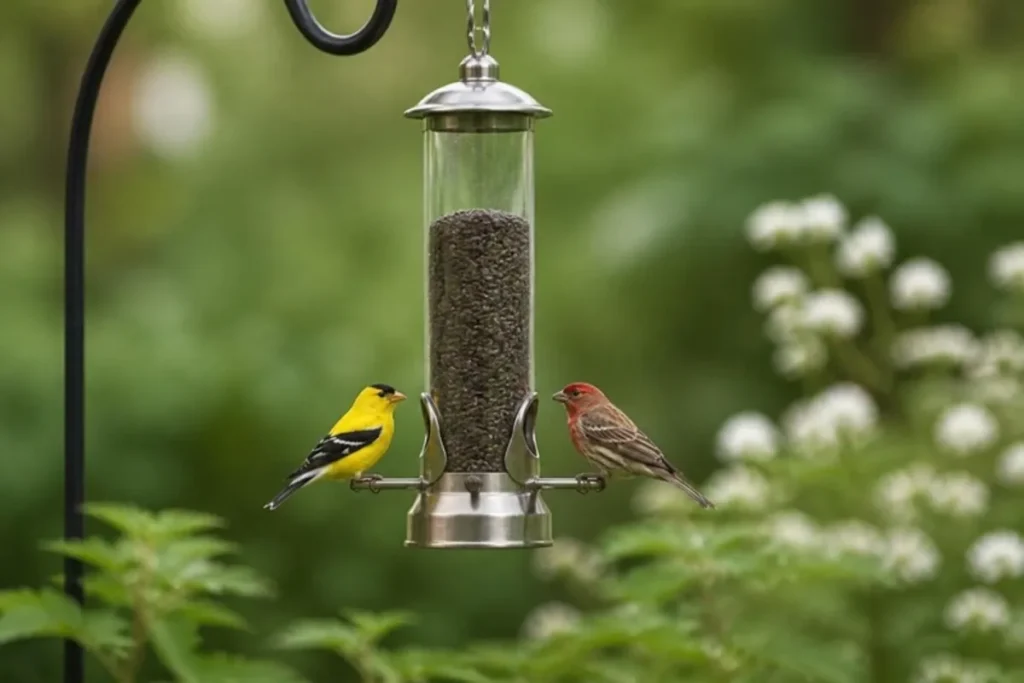
The five main types of bird feeder
Most backyard birders start with one of these. Each suits different birds, so many people end up with two or three.
| Feeder type | Best for | Good to know |
|---|---|---|
| Tube | Chickadees, titmice, finches, nuthatches | Keeps seed dry; the most versatile first feeder. Larger birds need a perching ring. |
| Hopper | Cardinals, jays, grosbeaks, sparrows | Holds a lot of seed. Choose one that opens easily for cleaning. |
| Platform / tray | Cardinals, doves, juncos, sparrows | Attracts the widest range of species but exposes seed to weather and squirrels. |
| Window | Chickadees, finches, titmice | No yard needed and the closest views. Mounted on glass, it also lowers collision risk. |
| Nectar | Hummingbirds, orioles | Needs cleaning every few days in warm weather; saucer styles are the easiest to clean. |
How to choose: five questions
- Which birds do you want? Cardinals prefer wide perches or trays; goldfinches love small-port finch feeders; hummingbirds need nectar.
- How much space do you have? On balconies and windows, compact feeders and hulled seed keep things tidy.
- Are squirrels a problem? Weight-activated feeders and pole baffles work far better than “squirrel-resistant” labels alone.
- How often will you clean it? Feeders that come apart without tools get cleaned more often — which keeps birds healthier.
- How often will you refill it? Large capacity means fewer refills, but in quiet periods smaller fills keep seed fresher.
What to feed: the right seed for each bird
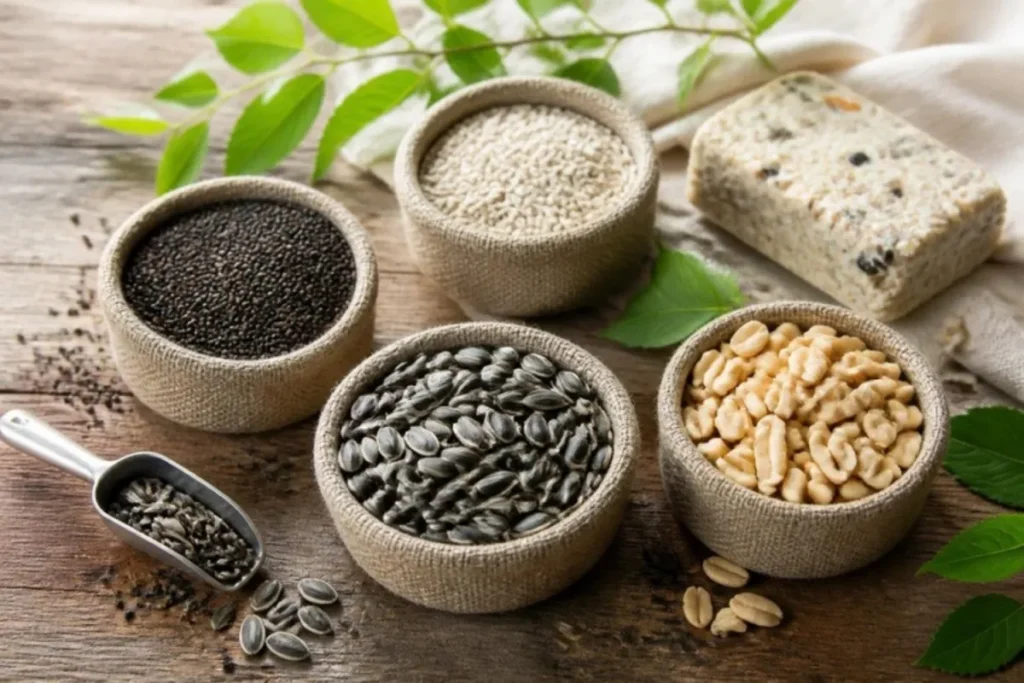
- Black-oil sunflower seed — the single best all-round seed. Thin shells and high fat; eaten by most feeder birds.
- Safflower — loved by cardinals; less popular with squirrels, grackles and starlings.
- Nyjer (thistle) — tiny seed for goldfinches and siskins. Use a finch feeder and buy small amounts; it goes stale.
- Sunflower chips (hulled) — no shells, so no mess. Ideal for balconies and patios, but spoils faster when wet.
- Suet — high-energy fat for woodpeckers, nuthatches and chickadees, especially in cold weather. Use “no-melt” blends in summer.
- Peanuts — shelled, unsalted, raw or dry-roasted, in a mesh feeder for jays, woodpeckers and titmice.
- Nectar — 1 part white table sugar to 4 parts water. No red dye, honey or artificial sweeteners.
Skip cheap mixes that are mostly milo, wheat or red millet — many feeder birds toss those seeds onto the ground.
Where to put your feeder
Placement matters as much as the feeder itself. Put feeders within about 3 feet of a window or more than 30 feet away to reduce window strikes, keep them near (but not right next to) shrubs birds can escape into, and keep cats indoors. Read the full guide: Bird feeder placement
Keep feeders clean
Dirty feeders can spread disease. Clean seed feeders about every two weeks — more often in wet or hot weather — and change hummingbird nectar every few days in heat. Step-by-step: How to clean bird feeders
Feeders worth considering
Selected from manufacturer specifications for reliability, ease of cleaning and how well they match common needs. We haven’t lab-tested them.
| Product | Best for | Key features | Considerations | Shop |
|---|---|---|---|---|
| Brome Squirrel Buster PlusBrome Bird Care | Backyards with squirrels and birders who want cardinals at a tube feeder |
|
| Check Price (opens Amazon in a new tab) |
| Brome Squirrel Buster MiniBrome Bird Care | Small yards, patios and balconies with squirrel visitors |
|
| Check Price (opens Amazon in a new tab) |
| Woodlink Audubon 3-in-1 Platform FeederWoodlink (Audubon series) | Cardinals, juncos, doves and other birds that prefer an open tray |
|
| Check Price (opens Amazon in a new tab) |
| Nature Anywhere Window Bird FeederNature Anywhere | Apartments, balconies and anyone who wants close-up views without a yard |
|
| Check Price (opens Amazon in a new tab) |
| Aspects HummZinger HighView 12 ozAspects | Low-maintenance hummingbird feeding — easy to clean and refill |
|
| Check Price (opens Amazon in a new tab) |
Bird feeder guides
 Best Bird Feeders for BeginnersEasy, versatile feeders for your first setup.Read
 Best Squirrel-Proof Bird FeedersWeight-activated designs that actually work.Read
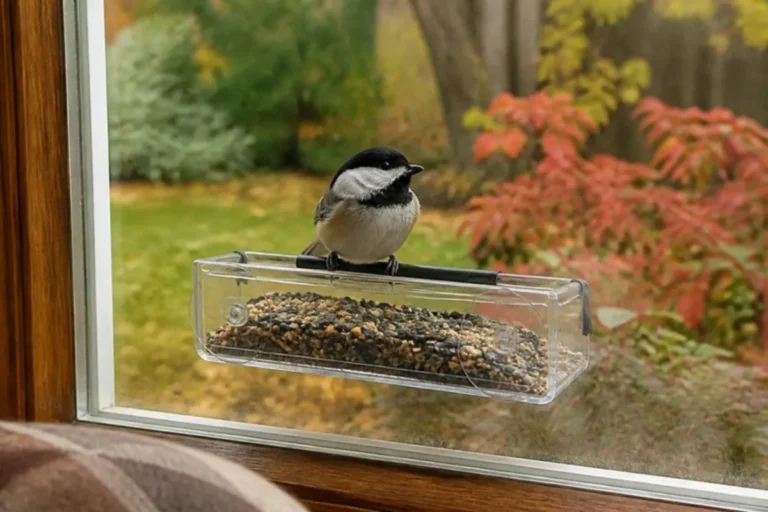 Best Window Bird FeedersClose-up views with no yard required.Read
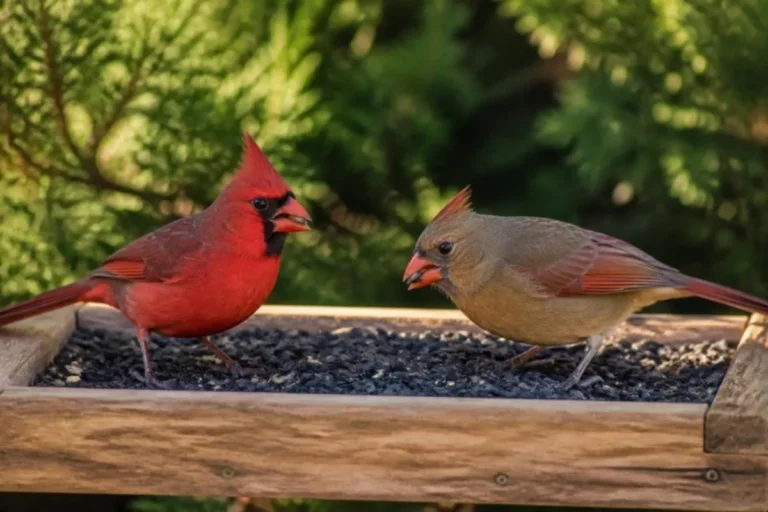 Best Bird Feeders for CardinalsWide perches and trays cardinals prefer.Read
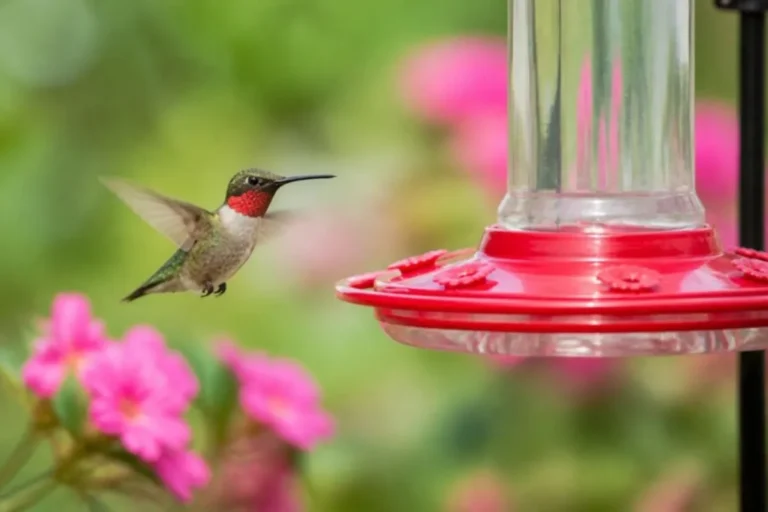 Best Hummingbird FeedersEasy-clean nectar feeders for every yard.Read
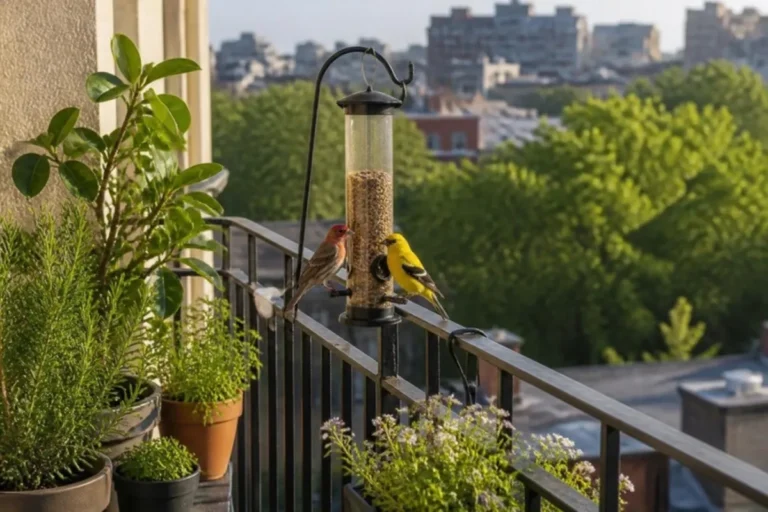 Best Bird Feeders for Small BalconiesCompact, tidy feeders for apartment living.Read
 Frequently asked questions
What is the best bird feeder for beginners?
A tube feeder filled with black-oil sunflower seed attracts the widest variety of common backyard birds and is easy to manage. If squirrels visit, choose a weight-activated model. See our beginner feeder guide
How long does it take birds to find a new feeder?
It varies — sometimes hours, sometimes a few weeks. Placing the feeder where birds can see it from nearby cover and scattering a little seed on a tray can help them notice it sooner.
Should I stop feeding birds in summer?
Not necessarily. Feeding is optional in summer, when natural food is plentiful. If you continue, keep feeders especially clean in heat. In bear country, follow your wildlife agency’s advice — many recommend removing feeders from spring through fall.
How often should I clean my bird feeder?
About every two weeks for seed feeders, more often in wet or hot weather, and every 2–3 days for hummingbird feeders in hot weather.