
Bird Photography: Start in Your Own Backyard
Backyard birds are the perfect subjects to learn on. Here’s the gear that helps, the settings to start with, and the simple setups that make your photos look professional.
Find My Photo Gear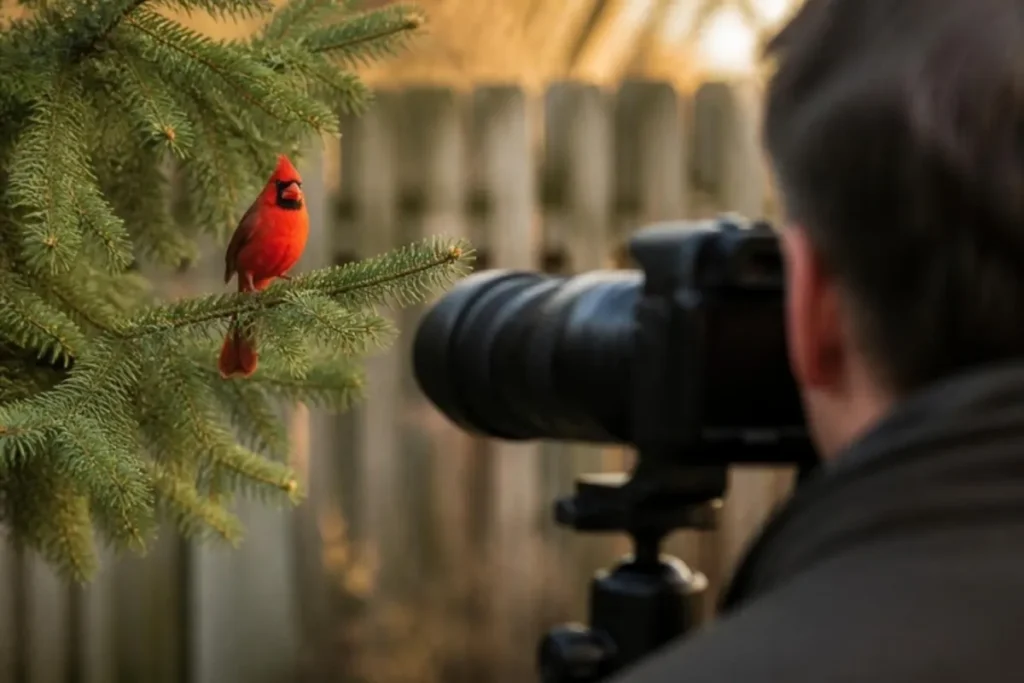
Three ways to get started
| Approach | Strengths | Limitations |
|---|---|---|
| Phone + digiscoping adapter | Inexpensive; uses binoculars or a scope you may already own | Fiddly to align; best for record shots |
| Superzoom (bridge) camera | Huge zoom range in one body, no lenses to buy | Small sensor struggles in dim light; slower autofocus |
| Mirrorless + telephoto lens | Fast, accurate bird-eye autofocus; best image quality | Highest cost; lenses must match your camera’s mount |
Beginner camera settings
- Shutter priority (Tv/S) at about 1/1000 s to freeze small, fidgety birds; faster for birds in flight.
- Auto ISO so the camera keeps exposure right as light changes.
- Continuous autofocus with animal/bird eye detection if your camera has it.
- Burst mode — take short bursts and keep the sharpest frame.
A simple backyard photo setup
- Place a natural branch 2–3 feet from your feeder; birds often pause there first.
- Position yourself so the sun is behind you in the morning or late afternoon.
- Keep the background far away so it blurs into soft color.
- Shoot from a window, blind or chair and let birds come to you.
Bird photography gear to consider
Specifications are from the manufacturers. Lens and body pairings shown are mount-compatible.
| Product | Best for | Key features | Considerations | Shop |
|---|---|---|---|---|
| Canon EOS R10 (body)Canon | Beginners stepping up to a mirrorless camera with bird-eye autofocus |
|
| Check Price (opens Amazon in a new tab) |
| Canon RF 100-400mm F5.6-8 IS USMCanon | A light first telephoto zoom for Canon RF-mount cameras |
|
| Check Price (opens Amazon in a new tab) |
| Nikon COOLPIX P950Nikon | Huge zoom reach in one camera, no lens changes |
|
| Check Price (opens Amazon in a new tab) |
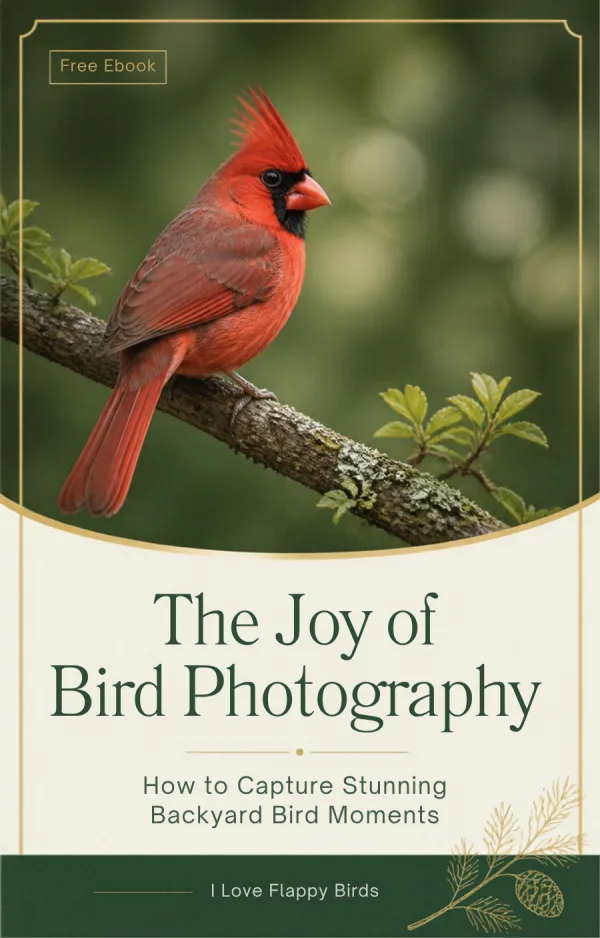
Free download
The Joy of Bird Photography
A free beginner’s ebook on capturing beautiful backyard bird photos — light, settings, patience and simple setups that work with the gear you already own.
Frequently asked questions
What focal length do I need for bird photography?
For backyard birds at a feeder, the equivalent of roughly 300–600 mm works well. For distant birds, more reach helps — or simply getting closer, quietly and respectfully.
Can I photograph birds with my phone?
Yes — close birds at a feeder or window can look great on a phone, and a digiscoping adapter lets you shoot through binoculars or a scope for distant birds.
What is the best time of day for bird photos?
The first and last couple of hours of daylight give soft, warm light and are often when birds are most active.